
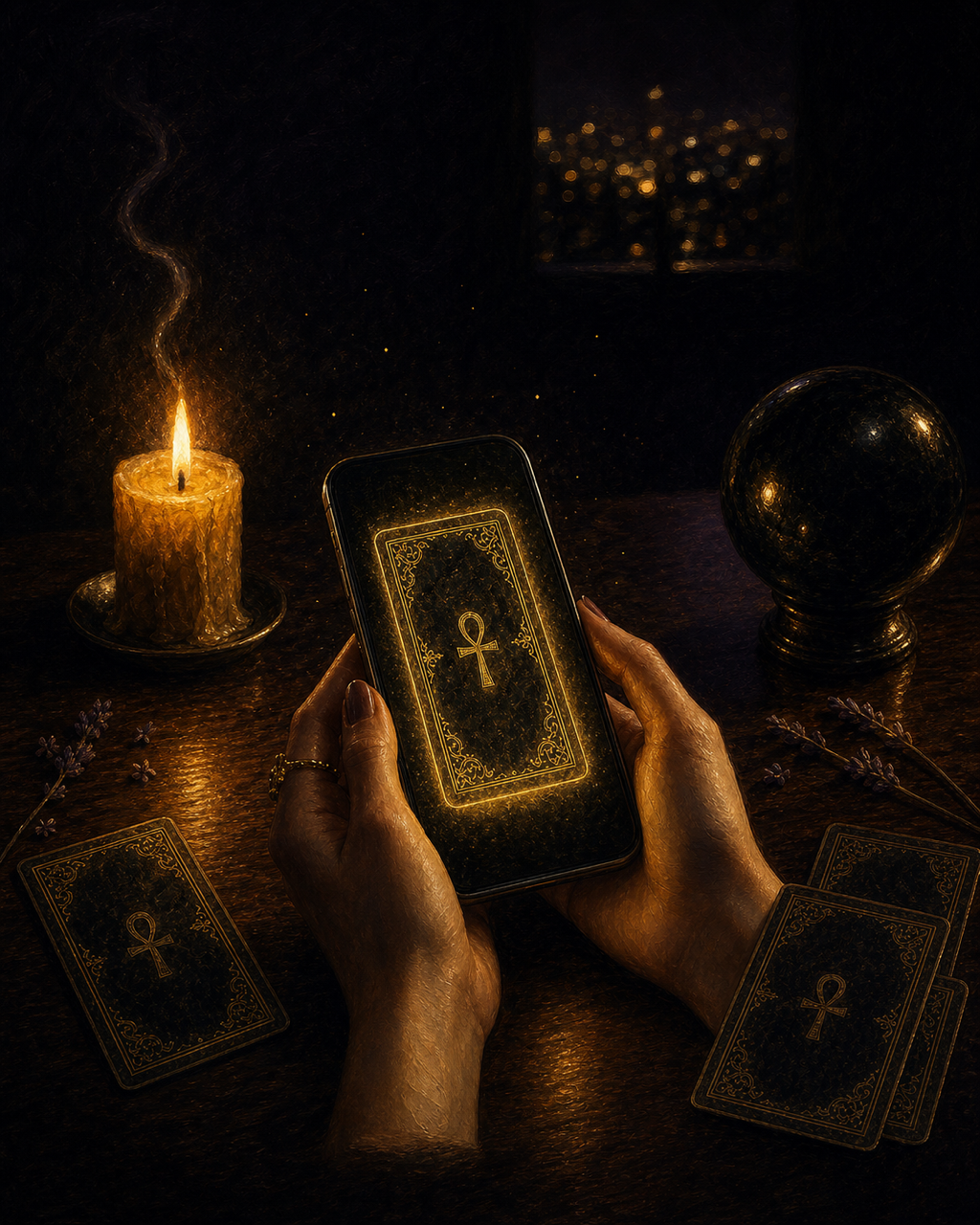
Tarot images carry archetypal material
From a Jungian perspective, tarot images can hold archetypes: the Fool as beginner, the High Priestess as unconscious wisdom, the Emperor as order, and the Devil as shadow or attachment.
A card's impact often reveals what the psyche is ready to notice. What you see first may be as important as the official meaning.
Use psychology with ethical care
Tarot can support reflection, but it is not therapy, diagnosis, or crisis care. If trauma, self-harm, violence, or severe distress is involved, professional support matters.
The healthy use of tarot is to open a conversation with the self, not to declare a fixed truth about the self.